

Work Through What Keeps You Stuck

If you struggle with anxiety, you are not alone. Anxiety is one of the most common emotional challenges people face today. It can show up as constant worry about the future, trouble sleeping, or a tight, uneasy feeling in your chest or stomach. Some people try to escape these feelings by using substances or falling into unhealthy habits, just to get some relief.
Anxiety does not look the same for everyone. For some, it is a low-level tension that is always there in the background. For others, it comes in sudden waves of panic that seem to strike out of nowhere. Anxiety can also show up as racing or obsessive thoughts, repeated behaviors meant to reduce fear, or strong discomfort around other people.
The good news is this: anxiety is not a sign that something is wrong with you. Anxiety is part of being human. It is your body’s alarm system, trying to protect you. The problem is not anxiety itself, but when that alarm system gets stuck in the “on” position. When you learn how anxiety works and how to respond to it differently, you can reduce its power and regain a sense of control.
Think of anxiety as a messenger. It is often pointing to something in your life that needs attention, balance, or care. When you learn to listen to the message instead of fighting the feeling, the path forward becomes much clearer.
Four Steps to Working Through Anxiety
- Notice the Pattern – Is Anxiety Showing Up for You?
You do not need to spend a lot of time figuring out what “type” of anxiety you have. While anxiety can look different from person to person, the ways to work with it are very similar. Using the Assessment tool can help you understand whether anxiety may be affecting your life. It looks at how anxiety shows up in your thoughts, emotions, body sensations, and behaviors. If your results suggest anxiety is an issue, that information alone is enough to get started.
- Understand the Alarm – What Anxiety Is Trying to Tell You
One of the most powerful steps in healing anxiety is learning what it actually is and what it is not. Anxiety does not mean you are weak, broken, or failing. It means your nervous system is working hard to protect you, even if it is overreacting. Anxiety affects:
- Your thoughts (worst-case thinking, “what if” worries)
- Your body (tight muscles, fast heart rate, short breath)
- Your emotions (fear, dread, irritability)
- Your behaviors (avoiding situations, seeking constant reassurance)
Many healing traditions, Indigenous, Eastern, and Western, agree on something important: when we understand our emotional responses instead of judging them, they lose their grip on us. Learning how anxiety influences your mind and body helps you find the exact places where small changes can make a big difference.
- Interrupt the Cycle – How Anxiety Keeps Itself Alive
Anxiety often grows through a self-feeding loop:
- You feel anxious
- You worry about the anxiety itself
- You try to avoid the feeling or control it
- The anxiety comes back stronger
Avoiding anxiety may feel helpful in the short term, but it teaches your brain that anxiety is dangerous. Over time, your world can shrink as you avoid more and more situations. The goal is not to get rid of anxiety completely. The goal is to change how you respond to it, so it no longer controls your choices.
 Practical Self-Help Strategies That Work
These self-guided tools focus on changing your relationship with anxiety, not fighting it.
Build Emotional Awareness
Start noticing anxiety with curiosity instead of fear.
- Name what you feel: “This is anxiety.”
- Notice where it shows up in your body.
- Remind yourself that feelings rise and fall on their own.
Change the Story in Your Head
Anxiety often tells exaggerated or one-sided stories.
- Ask yourself: Is this thought 100% true?
- Look for other possible explanations.
- Practice responding with a more balanced thought, not forced positivity.
Reduce Avoidance, Gently and Gradually
Avoidance keeps anxiety strong.
- Take small steps toward situations you fear.
- Stay in the situation long enough to notice that anxiety rises and falls.
- Let your body learn that you can handle discomfort.
Practice Willingness
Instead of trying to calm anxiety immediately:
- Allow it to be there.
- Breathe normally.
- Focus on what matters to you in that moment, not on escaping the feeling.
Care for Your Body
Your nervous system needs support.
- Regular sleep
- Gentle movement
- Reduced caffeine
- Steady meals
These do not cure anxiety, but they lower the background noise so emotional work becomes easier.
 Knowing When You Need More Support
Self-guided tools are helpful, but sometimes anxiety feels too intense to manage alone.
Call Phone Support If:
- Anxiety feels overwhelming or out of control
- You feel stuck in panic or fear
- You are tempted to use substances or harmful behaviors to cope
- You need reassurance or guidance to get through a difficult moment
Phone support can help you slow things down, feel grounded, and decide what next step makes sense.
Seek Professional Treatment If:
- Anxiety is interfering with work, relationships, or daily life
- Panic attacks are frequent or severe
- Avoidance is shrinking your world
- Anxiety is linked with depression, substance use, or thoughts of harming yourself
Professional care can provide structured support, personalized guidance, and a safe space to practice skills that help anxiety lose its power.
Anxiety Is Not the Enemy
Anxiety is uncomfortable, but it is not dangerous. When you learn to listen to it, respond with skill, and stay connected to what matters most to you, anxiety becomes something you can work with, not something that runs your life. You do not have to do this perfectly. You just have to take the next small step.
Below are a number of books that can help you better understand challenges with anxiety and treatments. Because symptoms of anxiety and depression often show up together (with addictions), a number of these reads address both problems. Each book is a bit different so check out the summaries and reviews to determine which ones are the best fit for you.
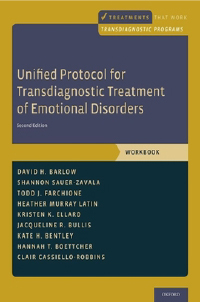
Multiple Authors
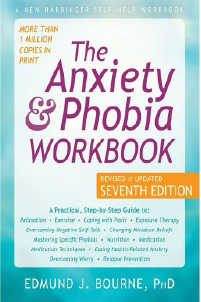
Edmund J. Bourne Ph.D.

Catherine M. Pittman Ph.D.
Elizabeth M. Karle MLIS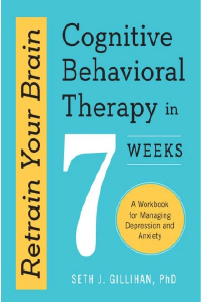
Seth J. Gillihan Ph.D.

Judson Brewer, MD, Ph.D.
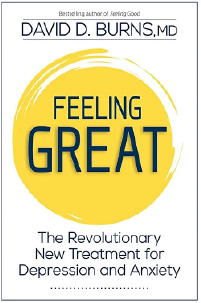
David D. Burns, MD


