

Work Through What Keeps You Stuck
 Addiction very often occurs with depression and mood-related symptoms. Challenges with mood include a range of types of depression that fall on a spectrum, with one end being plain depression (unipolar), the other end being depression with periods of high energy, and many variations in between. What is important to know about mood is that interventions are different depending on where your symptoms exist on the spectrum. If you have suffered from feelings of depression and have tried many things to feel better that have had little impact, then what you learn here should bring you hope.
Depression can emerge in many forms, at different times in life, and with differing symptoms. Most people who are depressed struggle with sleep, loss of appetite, concentration, and lack of energy. The causes of depression are many and can include challenges in relationships, trauma, grief, loss or burnout of a job, or consequences from addictions. No matter the cause, if you feel depressed, please explore the resources on this page.
Among the best resources for you to better understand mood and depression comes from Dr. Jim Phelps. His informative website, Depression Education, will guide you to important information in considering how you want to address your symptoms. In addition, he has a series of videos on YouTube you may also find helpful.
 Intro: What Kind of Depression Do You Have?
 Part 1: The Middle Ground
 Part 2: Other Ways to Assess Depression Type
 Part 3: Depression, Anxiety, Agitation, Irritability
 Part 4: Treatments are Not Just Pills
 Part 5: Medications for the Middle of the Mood Spectrum
 Part 6: Antidepressants
It’s important to know that healing relationships can greatly assist you in addressing challenges with mood and depression. Connecting with an experienced and nurturing therapist can directly engage your emotions in ways that facilitate healing beyond self-help interventions.
To learn more about the benefits of therapy and some helpful interventions, check out the videos below:
 Begin With the End in Mind
 Healing Relationships
 Expectations
 Mental Health One Stop Shop
 Psychiatric Medications
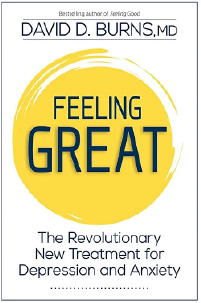
David D. Burns, MD

The Mindful Way Through Depression
Multiple Authors
The Cognitive Behavioral Workbook for Depression
William J. Knaus, EdD
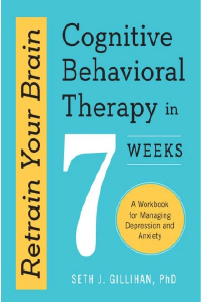
Seth J. Gillihan, Ph.D.

The Bipolar Disorder Survival Guide
David J. Miklowitz, Ph.D.
Sara Schley
Chris Aiken, MD &
James Phelps, MD
The Social Rhythm Therapy Workbook for Bipolar
Holly A. Swartz, MD


